Do Pool Enclosures Reduce Maintenance for Myrtle Beach, SC Homes?
Pool enclosures in Myrtle Beach, SC reduce weekly maintenance by keeping leaves, debris, insects, and UV exposure away from your pool water.
What Does a Pool Enclosure Actually Do for Your Property?
A pool enclosure is a screened or framed structure that wraps around your pool area, forming a barrier between your water and the outdoors. It lets you swim and relax without constantly dealing with leaves, pollen, and insects landing in the pool throughout the day.
Beyond day-to-day convenience, an enclosure helps keep the water cleaner between maintenance visits. Less debris falling into the pool means your pump and filter don't have to work as hard to keep the water circulating properly, which can help your equipment last longer. If you have ever come home after a windy afternoon to find your pool coated in oak leaves or pine needles, you already understand how much time a well-built enclosure can save you each week.
Many Myrtle Beach homeowners also appreciate the privacy and sun protection an enclosure adds to the swimming experience. Afternoon swims become more comfortable when you are shielded from direct sun exposure, even during peak summer heat. Our family business has been designing and building outdoor structures since 1986, and our decades of experience with coastal properties means we understand exactly which materials and designs hold up best near the water. You can explore your options in detail on our pool enclosure services page.
Does an Enclosure Change How You Clean and Treat Your Pool?
Yes, and the change is mostly a positive one. With less organic material entering the water, you generally need fewer chemicals to keep your pool balanced and clear throughout the season.
Fewer leaves and insects in the water means less decomposing matter working on your pH and sanitizer levels. You may spend noticeably less time skimming the surface and vacuuming the pool floor each week. That adds up to real savings in both time and supply costs across a full swim season in Myrtle Beach.
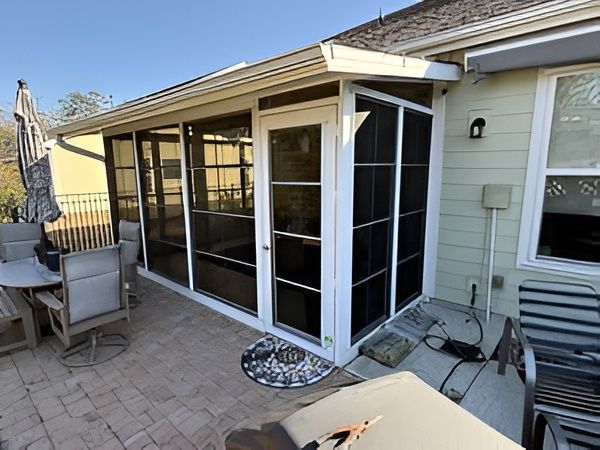
One thing to keep in mind is ventilation. A well-designed screen enclosure allows natural airflow to move through the structure, which prevents excessive humidity from building up around the water. Solid panel enclosures work differently and require more deliberate ventilation planning to avoid a damp, closed-in feel. Our team always discusses how you use your pool and how much airflow matters to you before recommending a specific design. If you have a patio or lanai next to the pool, you may also want to explore our screen room options for creating a seamless covered outdoor living zone alongside the pool.
Which Materials Hold Up Best in Coastal South Carolina?
Powder-coated aluminum framing with rust-resistant hardware is the most dependable material choice for pool enclosures along the Myrtle Beach coastline.
Salt air and high humidity can corrode untreated steel and standard hardware quickly, especially within a few miles of the ocean. Marine-grade aluminum and powder-coated finishes resist that kind of wear far better and look clean for many more years without constant upkeep. The screen mesh material also plays an important role. Fiberglass mesh resists corrosion well and comes in different weights depending on how much sun filtration or insect protection you want for your space.
Fasteners and connection hardware are easy to overlook but matter just as much as the frame itself. Stainless steel or aluminum hardware at every joint prevents the early rust spots that spread and weaken the structure from the inside over time. We take the extra time to select and install the right components at every connection point, so the structure stays solid and doesn't develop problems that require attention a year or two after installation.
How Does Salt Air Near Myrtle Beach, SC Affect Your Enclosure Long-Term?
Salt air accelerates corrosion on unprotected metals, making material selection and routine upkeep especially important for pool enclosures in the Myrtle Beach area.
Properties within a few miles of the shoreline face higher salt spray exposure after storms and during sustained onshore winds. This is why choosing coastal-rated materials from the start is a smarter long-term investment than replacing corroded components a few years down the road. A properly coated aluminum frame won't show the same degradation over five or ten years that a standard steel structure would under the same coastal conditions.
Once the right materials are in place, ongoing maintenance is straightforward. Rinsing the frame and screens with fresh water a few times a year removes salt buildup before it can work into the coating. Checking the mesh for small holes or tears after storm season keeps insects out and prevents minor damage from spreading into a larger repair. With the right construction and basic upkeep, a pool enclosure on a Myrtle Beach property can give your family years of enjoyment with minimal effort.