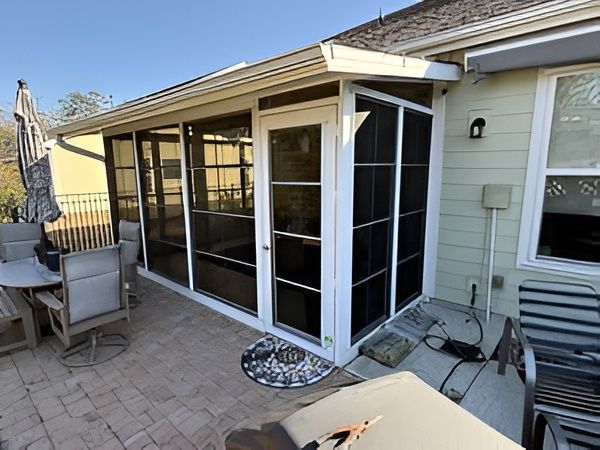
Comparing Screen Room Durability Options for Little River, SC Homes
Screen room durability in Little River, SC depends on rust-resistant aluminum framing, high-grade mesh materials, and marine-rated fasteners designed to withstand humid coastal weather and salt air exposure.
How Does Coastal Salt Air Affect Screen Room Materials?
Salt air accelerates corrosion on metal frames, fasteners, and hardware, making rust-resistant materials essential for long-term screen room performance in Little River.
Standard steel screws and hinges rust within months near the coast. Aluminum frames offer excellent corrosion resistance, but lower-grade alloys still pit and weaken over time without protective coatings.
Powder-coated aluminum provides an additional barrier against salt intrusion. Marine-grade stainless steel fasteners cost more upfront but eliminate rust-related failures for decades.
Even screening mesh degrades faster in coastal environments. UV rays and salt crystals weaken fiberglass strands, causing tears and sagging unless you select heavy-duty or coated mesh designed for extended outdoor exposure.
Which Screen Mesh Types Last Longest?
Heavy-duty fiberglass, pet-resistant polyester, and aluminum mesh offer the best durability, each with distinct advantages for Little River's coastal climate.
Standard fiberglass mesh is economical but tears easily and may last only five to seven years in coastal conditions. Heavy-duty fiberglass uses thicker strands and tighter weaves, extending lifespan to ten years or more.
Polyester pet-resistant mesh resists punctures and stretching, making it ideal for homes with active pets or children. It maintains tension better than fiberglass and handles coastal wind gusts without sagging.
Aluminum mesh is nearly indestructible but allows less airflow and costs significantly more. It's best for high-traffic areas or properties requiring maximum security and longevity.
Do Roof Types Influence Screen Room Longevity?
Solid roofs with shingles or metal panels protect screen rooms better than open mesh roofs, extending the lifespan of framing and screening below.
Screen-only roofs expose framing and mesh to direct sun, rain, and debris accumulation. UV degradation happens faster, and water pooling can stress corners and seams.
Solid roofs with gutters divert rainwater away from the structure, preventing water damage to posts and foundations. They also shade the interior, reducing UV exposure on mesh panels and furniture.
Insulated or ventilated roof designs further enhance comfort and durability by controlling heat buildup and moisture condensation. Combining a solid roof with window solutions in Little River, SC creates a hybrid space offering year-round protection and flexibility.
Can Aluminum Framing Handle Hurricane-Force Winds?
Properly engineered aluminum framing with reinforced corners and anchored footings can withstand hurricane winds exceeding 110 mph when installed to code.
Little River building codes require wind load ratings that account for coastal storm risks. Frames must include diagonal bracing and securely anchor to concrete foundations with embedded bolts or heavy-duty brackets.
Corner joints receive extra reinforcement with gusset plates or welded connections to prevent racking during high winds. Mesh panels should be tensioned correctly to avoid flapping that stresses frames.
Even with proper engineering, extremely severe hurricanes may damage screen rooms. However, quality construction minimizes repairs and prevents catastrophic failure that endangers your home's main structure.
When Should You Replace Screening Instead of Repairing It?
Replace screening when more than 20% of the mesh shows tears, holes, or UV degradation, or when sagging prevents proper insect protection.
Small tears can be patched temporarily, but multiple repairs indicate the mesh has reached the end of its useful life. Brittle or faded screening loses structural integrity and won't hold patches securely.
If you're replacing one panel, consider updating all panels to match appearance and ensure consistent durability. Mixing old and new mesh creates uneven tension and visual inconsistencies.
Upgrading to higher-grade mesh during replacement improves longevity and reduces future maintenance. Screen room installation services in Conway, SC use premium materials by default to extend replacement intervals.
How Does Little River's Humidity Affect Screen Room Maintenance?
High humidity promotes mildew growth on mesh and frames, requiring regular cleaning and preventive treatments to maintain appearance and function.
Coastal moisture combines with pollen, dust, and salt to create sticky residues that trap mildew spores. Rinsing screens monthly with a garden hose prevents buildup and extends mesh life.
Applying mildew-resistant coatings to frames and posts reduces cleaning frequency. Proper drainage and airflow beneath the screen room foundation also minimize moisture retention.
Ceiling fans improve air circulation, reducing humidity inside the screen room and lowering mildew risk on furniture and fabrics.
Back Porch Designs and Repairs uses only rust-resistant aluminum framing, marine-grade fasteners, and heavy-duty mesh designed for Little River's coastal environment. Start with a durability consultation to compare material options and select the best combination for your budget and maintenance preferences.