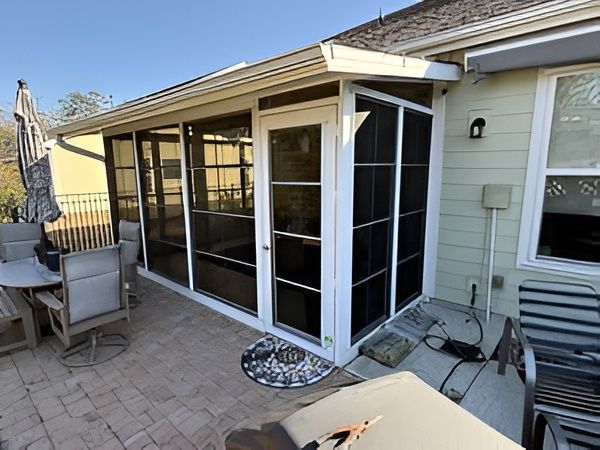
Avoiding Common Screen Room Mistakes in Longs, SC
Avoid screen room mistakes in Longs, SC by using coastal-rated materials, ensuring proper foundation drainage, and hiring experienced installers familiar with local building codes and climate challenges.
What Happens If You Skip Building Permits?
Skipping permits can result in fines, forced removal of the structure, insurance claim denials, and complications when selling your home.
Longs requires building permits for screen room additions to verify structural safety, electrical compliance, and setback regulations. Unpermitted work may not meet code standards, creating liability if someone is injured.
Insurance companies can deny claims for damage to unpermitted structures. Future buyers may require removal or retroactive permitting, delaying sales and reducing home value.
Permit costs are minimal compared to legal and financial risks. Processing takes two to three weeks, so plan ahead to stay on schedule.
How Does Poor Drainage Damage Screen Rooms?
Inadequate drainage causes water pooling beneath the foundation, leading to erosion, settling, and structural damage over time.
Screen rooms need graded concrete slabs that slope away from your home at least one inch per ten feet. Standing water weakens foundations, rusts post anchors, and promotes mold growth on framing.
Gutters and downspouts should direct roof runoff away from the structure. Without proper drainage, water undermines footings and creates voids that cause cracking and shifting.
Coastal storms in Longs bring heavy rains that test drainage systems. Investing in quality grading and drainage during installation prevents expensive foundation repairs later.
Can Cheap Materials Save Money Long-Term?
Cheap materials reduce upfront costs but lead to frequent repairs, shorter lifespan, and higher total ownership expenses over the screen room's life.
Low-grade aluminum frames corrode faster in coastal humidity. Thin mesh tears easily from wind, pets, or debris, requiring replacement every few years instead of decades.
Standard fasteners rust within months near the ocean, weakening joints and creating safety hazards. Marine-grade stainless steel costs more initially but lasts the entire structure's life without corrosion.
Replacing failed components repeatedly costs more than using quality materials from the start. Screen room installation services in Conway, SC balance budget and durability by recommending materials proven in coastal environments.
Do DIY Screen Room Kits Work Well in Coastal Areas?
DIY kits may work for inland locations, but coastal exposure in Longs requires professional engineering and installation to ensure structural integrity and longevity.
Pre-fabricated kits often use lighter materials and simpler connections unsuitable for hurricane-force winds and salt air. Instructions may not address local code requirements for wind ratings and setbacks.
Improper assembly creates weak points where frames separate or mesh tears during storms. DIY installers also lack tools and experience for proper concrete anchoring and flashing installation.
Professional installation includes structural analysis, engineered connections, and code-compliant permits that protect your investment and safety.
When Should You Replace Screening Mesh?
Replace screening when tears, holes, UV brittleness, or sagging compromise insect protection or structural integrity.
Minor tears can be patched temporarily, but extensive damage or aging mesh requires full replacement. Brittle screening shatters when touched, signaling UV degradation beyond repair.
If more than 20% of panels show wear, replacing all mesh at once maintains uniform appearance and tension. Mixing old and new panels creates visual inconsistencies and uneven durability.
Upgrading to heavy-duty or pet-resistant mesh during replacement reduces future repair frequency and improves long-term value.
How Do Longs' Seasonal Storms Test Screen Room Construction?
Summer thunderstorms and tropical systems bring high winds, heavy rain, and flying debris that stress screen room frames, fasteners, and mesh panels.
Wind gusts exceeding 60 mph during severe thunderstorms test frame rigidity and mesh tension. Properly reinforced corners and anchored footings prevent racking and collapse.
Blowing rain penetrates poorly sealed connections, causing water damage to interior surfaces and electrical systems. Quality flashing and caulking keep moisture outside.
Flying branches and debris impact mesh panels during storms. Heavy-duty screening resists tears better than standard fiberglass, minimizing damage and repair costs.
Back Porch Designs and Repairs builds screen rooms in Longs using coastal-rated materials, engineered connections, and proper drainage to withstand seasonal storms. Storm damage restoration services in Longs, SC quickly repair structures affected by severe weather.
Connect with experienced installers who understand Longs' coastal challenges to avoid common mistakes that compromise safety, durability, and your investment's long-term performance.