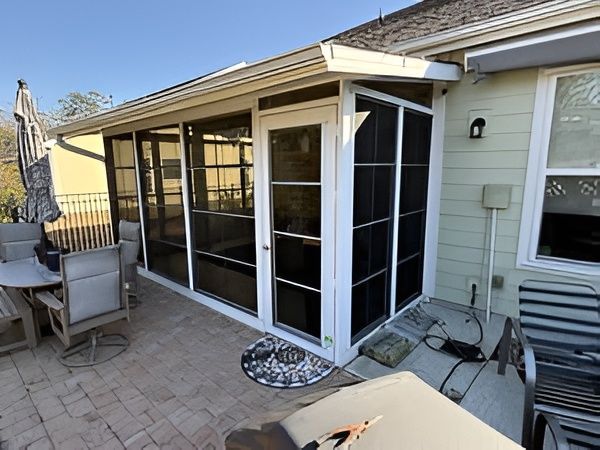
Do Screen Rooms Survive Coastal Storms in Florence, SC
Properly engineered screen rooms in Florence, SC routinely survive tropical storms and hurricanes when constructed with wind-rated materials, reinforced connections, and installation methods that comply with South Carolina's coastal building codes.
Which Construction Features Protect Screen Rooms During Storms?
Wind-rated framing, hurricane straps, through-bolted connections, and mesh panels designed to flex under wind pressure without tearing are the key elements that allow screen rooms to withstand severe weather events.
Aluminum framing systems rated for 110-130 mph winds use thicker extrusions and reinforced corner bracing compared to standard residential grades. These frames resist bending and twisting forces that occur during storms, keeping the structure intact even when wind gusts create significant lateral loads.
Hurricane straps and structural fasteners anchor the screen room roof to support posts and tie the entire assembly to your home's foundation or existing structure. Coastal building codes in Florence require these connections to prevent uplift and lateral movement during high winds. Properly installed straps can hold over 1,000 pounds of uplift force per connection point.
Mesh selection matters significantly. Standard fiberglass screen tears at wind speeds above 50 mph and becomes a weak point in the structure. Heavy-duty mesh designed for coastal applications flexes like a sail, releasing wind pressure instead of fighting it. This flexibility prevents frame damage and keeps the screen room usable after storms pass, though you may need to replace torn panels after severe events.
How Do Florence's Weather Patterns Affect Screen Room Durability?
Florence sits inland enough to avoid direct hurricane impacts but still experiences tropical storm remnants, severe thunderstorms with straight-line winds, and occasional tornadoes that test outdoor structure resilience.
Tropical storms typically bring sustained winds of 40-60 mph with gusts to 75 mph as they move inland from the coast. Well-built screen rooms handle these conditions without major damage. You may see minor mesh tears or displaced trim pieces after extreme gusts, but the frame remains stable and functional.
Severe thunderstorms produce localized wind bursts that can exceed hurricane gusts for short periods. Downbursts and microbursts create sudden downward air columns that hit the ground and spread outward at speeds up to 100 mph. Screen rooms need solid roof connections and properly anchored footings to resist these unpredictable forces.
Tornadoes, while rare in Florence, can destroy any outdoor structure including screen rooms. However, properly constructed rooms attached to your home's foundation are less likely to become airborne debris that damages neighboring properties. The mesh panels act as pressure relief, reducing the chance of complete roof loss that occurs with fully enclosed structures.
What Mistakes Weaken Screen Rooms Against Storm Damage?
Using undersized fasteners, skipping structural connectors to save money, installing standard residential-grade materials in coastal zones, and failing to obtain permits are the most common errors that lead to storm damage.
Budget contractors sometimes use standard deck screws instead of structural lag bolts or through-bolts to attach framing members. These fasteners pull out under sustained wind loads, allowing the screen room to separate from the house or collapse. Proper installation uses hot-dipped galvanized or stainless steel bolts every 16-24 inches along roof and post connections.
Skipping hurricane straps saves $200-$400 in materials but eliminates critical uplift resistance. During storms, wind flowing over and around the screen room creates suction that tries to lift the roof off its supports. Without straps, this force overcomes gravity and nailed connections, causing catastrophic failure even in moderate tropical storms.
Standard residential materials work fine in sheltered inland locations but fail prematurely in coastal environments. Regular aluminum corrodes in salt air, untreated lumber rots quickly in high humidity, and basic fiberglass mesh degrades under intense UV exposure. Using marine-grade fasteners, pressure-treated or synthetic lumber, and coastal-rated mesh adds 15-20% to project costs but extends lifespan from 7-10 years to 15-20 years or more.
Unpermitted construction bypasses structural inspections that catch deficient footings, improper roof connections, and substandard materials before they fail. Inspectors verify that your screen room meets wind-load requirements for Florence's zone and that all connections are adequate for anticipated storm forces. The $200-$400 permit fee prevents $5,000-$15,000 in future storm repairs.
Can You Retrofit an Older Screen Room for Better Storm Resistance?
Many older screen rooms can be upgraded with reinforced connections, hurricane straps, and improved mesh to significantly increase storm survivability, though costs vary based on existing construction quality.
A structural assessment identifies weak points like missing connectors, corroded fasteners, undersized framing, or damaged posts. Simple upgrades include adding hurricane straps to roof-to-post connections, through-bolting frame joints that were originally face-nailed, and reinforcing corner bracing with galvanized steel brackets.
Replacing standard mesh with heavy-duty coastal-grade screening costs $3-$6 per square foot installed. This upgrade alone prevents most wind damage because it eliminates the primary failure point during storms. Combined with frame reinforcements, your older screen room gains much of the storm resistance of new construction at 40-60% of replacement cost.
However, if foundation footings are shallow, posts show extensive rot, or roof framing is undersized, you may be better off rebuilding. A qualified contractor can evaluate whether retrofit upgrades provide adequate protection or if starting fresh delivers better long-term value and safety.
For professional assessment of screen room storm damage and repair options in Florence , schedule an inspection that identifies both visible damage and hidden structural concerns that could compromise future storm performance.
How Should You Prepare a Screen Room Before Storm Arrival?
Remove loose furniture, secure doors with additional latches, check that all fasteners are tight, and consider installing temporary plywood panels over screen openings if winds above 90 mph are forecast for your area.
Lightweight furniture, potted plants, and decorative items become dangerous projectiles in high winds. Move them indoors or into a garage at least 24 hours before storm arrival. Even items that seem stable can blow through screen mesh and cause interior damage to your home.
Screen room doors need secondary latches or barrel bolts at top and bottom to prevent wind from forcing them open mid-storm. Once a door opens, wind pressure fills the screen room and creates enormous uplift on the roof, often causing complete failure. Adding simple barrel bolts costs under $30 and takes 15 minutes per door.
Walk around your screen room and check that all visible fasteners, trim pieces, and frame connections are tight. Look for rust stains indicating corroded screws, loose posts, or gaps where trim has pulled away from the house. Tightening loose screws and replacing corroded fasteners prevents minor problems from escalating during the storm.
If forecasts predict sustained winds above 90 mph, temporary plywood panels secured over screen openings reduce wind pressure on the frame and prevent debris penetration. Cut panels in advance, label them for each opening, and store them in your garage or shed. Installation takes 30-60 minutes before the storm and protects your investment when conditions exceed normal design limits.
What Happens to Screen Rooms After Major Storms?
Most well-built screen rooms in Florence experience only minor damage like torn mesh panels or displaced trim after hurricanes and strong tropical storms, with repairs costing $500-$2,000 versus $8,000-$15,000 to replace poorly constructed units.
Post-storm inspections typically find 1-3 mesh panels that need replacement due to tears from flying debris or extreme wind gusts. Aluminum frames remain intact and square, allowing you to simply cut out damaged sections and install new mesh. Trim pieces may pull loose at corners or along roof connections but reattach easily once you replace missing or corroded fasteners.
Poorly constructed screen rooms often experience catastrophic failure with collapsed roofs, bent framing, and separation from the house. Repair costs approach or exceed rebuilding because you must address underlying structural deficiencies while fixing storm damage. Many homeowners find it more practical to tear down failed structures and rebuild correctly.
Insurance coverage for screen rooms varies significantly. Some homeowners policies treat them as outdoor structures with limited coverage ($1,000-$5,000), while others include them as part of your dwelling coverage. Review your policy before storm season and photograph your screen room for claims documentation. Well-constructed permitted rooms are easier to claim and receive better settlements than unpermitted or substandard installations.
Back Porch Designs and Repairs builds storm-resistant screen rooms throughout Florence using coastal construction methods and materials rated for severe weather conditions. Compare design options and material choices for screened pool enclosures and outdoor structures near you. Plan your project with confidence—connect with our team to discuss wind-rated construction and schedule a detailed site evaluation today.