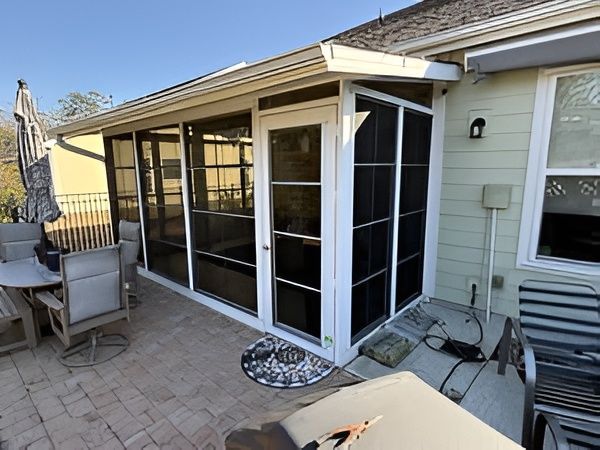
Understanding Sunroom Window Options for Longs, SC Homes
Sunroom windows in Longs, SC must balance energy efficiency, humidity resistance, and natural light optimization through low-E glass coatings, insulated frames, and proper ventilation systems that maintain comfortable temperatures year-round.
What Types of Glass Work Best in Longs Sunrooms?
Tempered low-E glass with argon fills provides the best combination of safety, energy performance, and UV protection for sunrooms in South Carolina's coastal climate while reducing heat gain during summer months.
Tempered glass is four times stronger than standard annealed glass and breaks into small, relatively harmless pieces rather than dangerous shards. Building codes require tempered glass in sunrooms because large window expanses create greater risk of accidental breakage from furniture impacts, falling objects, or storm debris.
Low-E (low-emissivity) coatings are microscopically thin metallic layers applied to glass surfaces that reflect infrared heat while allowing visible light to pass through. In Longs' climate, Low-E glass reduces summer cooling costs by blocking 40-70% of solar heat gain. You'll maintain bright, naturally lit spaces without the greenhouse effect that makes uncoated sunrooms unbearably hot by mid-afternoon.
Argon gas fills between dual-pane windows improve insulation by reducing conductive heat transfer. Argon is denser than air and slows heat movement through the glass assembly. Combined with Low-E coatings, argon-filled windows can cut energy costs by 20-30% compared to standard dual-pane units, paying for the upgrade within 3-5 years through lower utility bills.
Which Frame Materials Handle Coastal Humidity Best?
Vinyl and aluminum frames resist moisture, corrosion, and rot far better than wood in Longs' humid coastal environment, with vinyl offering superior insulation and aluminum providing maximum strength for large window spans.
Vinyl frames use PVC (polyvinyl chloride) extrusions that never need painting, resist salt air corrosion, and provide excellent thermal insulation through hollow multi-chamber designs. Quality vinyl frames include welded corners instead of screwed joints, eliminating water intrusion points that cause frame failures. Vinyl costs 10-20% less than aluminum and works well for sunrooms with standard window sizes up to 4x6 feet.
Aluminum frames excel in coastal areas because they're completely impervious to moisture and maintain structural integrity in high-wind zones. Modern thermally broken aluminum frames include insulating barriers between interior and exterior metal surfaces, preventing condensation and reducing heat transfer. Aluminum supports larger glass panels without deflection, making it ideal for floor-to-ceiling windows or panoramic views. It costs more than vinyl but lasts 30+ years in harsh environments without degradation.
Wood frames require extensive maintenance in Longs—annual sealing, biannual painting, and constant vigilance against rot and insect damage. Clad wood frames (wood interior with aluminum or vinyl exterior) reduce maintenance but cost significantly more than all-vinyl or all-aluminum options while still requiring interior upkeep.
How Do Ventilation Systems Affect Sunroom Comfort?
Operable windows, ceiling fans, and HVAC integration are essential for managing Longs' summer heat and humidity, preventing condensation buildup, and maintaining comfortable temperatures without excessive air conditioning costs.
Fixed-glass sunrooms without ventilation become unusable from May through September as temperatures soar into the 90s and humidity creates stifling conditions. At minimum, include 20-30% operable windows positioned to create cross-ventilation. Casement or awning windows work best because they swing fully open to maximize airflow, unlike sliding windows that open only 50% of their area.
Ceiling fans improve comfort dramatically by circulating air and creating evaporative cooling effects on skin. A quality outdoor-rated ceiling fan costs $300-$600 installed and reduces perceived temperature by 5-8°F. Position fans centrally in rooms up to 12x16 feet, or use two fans in larger spaces for even air movement.
HVAC integration allows year-round use but increases construction costs and monthly utility bills. Extending ductwork from your home's central system costs $1,500-$3,000 depending on distance and capacity requirements. Ductless mini-split systems offer more efficient zoned climate control for $2,500-$4,500 installed and avoid overworking your main HVAC system. Either option transforms your sunroom into true living space usable 365 days per year.
Dehumidification prevents condensation on windows and musty odors during Longs' humid summer months. If your sunroom connects to central HVAC, the system's dehumidifier typically handles moisture control. Stand-alone sunrooms may need separate dehumidifiers ($200-$500) to maintain 40-50% relative humidity and protect furnishings from mold and mildew.
Do Window Configurations Affect Energy Costs in Longs?
Strategic window placement, glass tint selection, and roof overhang design significantly impact cooling loads, with south-facing glass requiring the most aggressive heat management to maintain comfortable summertime temperatures.
South-facing windows receive maximum solar exposure year-round, creating intense heat gain during summer months. Deeper Low-E tints (35-50% visible light transmission) or solar control glass reduce heat buildup but also darken the space. Many Longs homeowners prefer standard Low-E glass with generous roof overhangs (3-4 feet) that shade windows during high-angle summer sun while allowing lower-angle winter sun for passive heating.
East and west exposures create morning and afternoon glare plus significant heat gain during summer. Windows on these orientations benefit from exterior shading—pergolas, shade screens, or landscape trees—that block direct sun without permanently darkening the sunroom. Cellular shades or solar screens provide adjustable interior shading but add $30-$80 per window.
North-facing glass admits soft, even light with minimal heat gain or glare, making it ideal for sunrooms used as home offices, reading areas, or art studios. Standard dual-pane Low-E glass provides adequate insulation for northern exposures without requiring expensive solar control upgrades.
Roof glass or skylights add dramatic overhead natural light but create maintenance challenges and extreme heat gain in Longs' climate. If you include roof glazing, use triple-pane glass with high-performance Low-E coatings and integrate motorized shades to control heat and glare. Most cost-effective sunroom designs in South Carolina use solid insulated roofs with vertical window walls that are easier to shade and maintain.
What Window Maintenance Do Longs Sunrooms Require?
Annual cleaning, seal inspections, track lubrication for operable units, and weatherstripping replacement every 5-7 years keep sunroom windows performing efficiently and prevent water intrusion that damages frames and interior finishes.
Clean glass inside and out every 3-4 months to maintain clarity and solar performance. Hard water staining from lawn irrigation is common in Longs; use vinegar solutions or specialized glass cleaners to remove mineral deposits before they etch the glass surface permanently.
Inspect window seals and caulking annually, especially after hurricane season. Look for gaps, cracks, or separations around frames where water can penetrate. Coastal humidity accelerates caulk degradation, requiring resealing every 4-6 years versus 8-10 years in drier climates. Quality polyurethane or silicone caulks cost $5-$8 per tube and take 2-3 hours to reseal a typical sunroom, preventing thousands in water damage repairs.
Operable windows need track cleaning and hinge lubrication twice yearly to maintain smooth operation. Pollen, sand, and salt accumulation in tracks causes binding and premature wear. Vacuum tracks thoroughly, wipe with damp cloths, and apply silicone spray lubricant to hinges, locks, and moving parts.
Weatherstripping on operable windows compresses over time, creating air leaks that waste energy and allow water intrusion. Replace vinyl or foam weatherstripping every 5-7 years before noticeable gaps develop. Complete weatherstrip kits cost $50-$150 per window including adhesive and take 30-60 minutes to install.
For professional window system upgrades and custom installations in Longs , work with contractors who understand coastal climate requirements and can properly size and seal windows to prevent the moisture problems that plague poorly installed sunrooms.
How Do Building Codes Affect Sunroom Window Choices in Longs?
South Carolina coastal building codes require impact-resistant or shuttered windows in designated wind zones, tempered glass for safety, and minimum R-values for energy compliance that affect both material choices and project costs.
Longs falls within South Carolina's Wind Zone II, requiring windows to withstand design wind speeds of 110-130 mph. This means using impact-resistant glass, installing permanent storm shutters, or providing removable panel systems that meet wind-load testing standards. Impact-resistant windows cost 40-60% more than standard units but eliminate the hassle of pre-storm shutter installation and often qualify for insurance discounts.
Tempered glass requirements apply to any glazing within 18 inches of doors, within 24 inches of floors, or in large panels where human impact is possible. Your contractor should automatically specify tempered glass for these locations, but verify this appears in your contract to avoid failed inspections.
Energy code requirements mandate minimum insulation values (R-factors) for walls, roofs, and windows to limit heating and cooling loads. Standard dual-pane Low-E windows meet code requirements, but upgrading to triple-pane or enhanced Low-E coatings improves comfort and reduces long-term energy costs even though the building code doesn't require it.
Permit reviews verify that window specifications match code requirements before construction begins. Working with licensed contractors ensures you get properly rated materials and installation methods that pass final inspection without delays or costly modifications.
Back Porch Designs and Repairs installs energy-efficient sunroom window systems throughout Longs using materials rated for South Carolina's coastal environment. Explore custom designs and glass options by reviewing professional sunroom construction services near you. Request a consultation to compare window configurations, energy packages, and pricing tailored to your home and budget today.