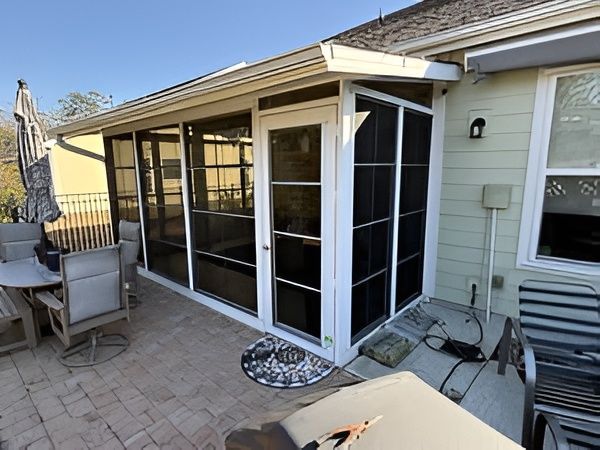
Pool Enclosure Installation in Myrtle Beach, SC: How to Choose the Right Contractor
In a coastal market like Myrtle Beach, the contractor you choose for a pool enclosure matters more than it would inland — salt air corrodes the wrong materials, Horry County has its own permitting rules, and a missed wind-load requirement can mean a failed inspection or worse. Picking the right installer is not just about price; it is about finding someone who understands this specific environment and knows how to build in it.
Fall is actually one of the best times to move on this decision. Cooler temperatures make outdoor construction more efficient, scheduling windows are easier to get than during the spring rush, and finishing before winter means you get an enclosed, usable pool for Myrtle Beach's mild off-season months.
Why Does Contractor Choice Matter More Near the Coast?
Coastal conditions stress pool enclosure materials harder than most homeowners expect, and a contractor unfamiliar with those conditions will spec the wrong products.
Salt air accelerates corrosion on steel hardware and can oxidize aluminum screen mesh over time. The industry standard for coastal enclosures is aluminum framing — it resists corrosion naturally, does not rust, and holds up under the wind loads common to this area. A contractor should be able to tell you exactly which framing grade and screen mesh they use for a coastal build and why. If they cannot, that is a meaningful gap in their knowledge.
Myrtle Beach also sits in a high-wind zone, which means your enclosure needs to meet coastal wind-load ratings. A qualified contractor will reference those specs during the design conversation, not after something fails. Learn more about what goes into a well-built structure by reviewing pool enclosure services before your first contractor meeting.
Does a Pool Enclosure Installer Need a License and Permits in Myrtle Beach?
Yes — both licensing and permits are required, and any contractor who tells you otherwise is creating serious legal and financial risk for you as the homeowner.
South Carolina requires pool enclosure contractors to hold an active license through the SC Contractor's Licensing Board (SCLB). This typically falls under specialty contractor classifications. Ask every contractor you interview for their license number and verify it. They should also carry liability insurance and workers' compensation — if a worker is injured on your property and there is no coverage, you may be exposed.
On the permit side, pool enclosures in Horry County require permits pulled through Horry County Building Services. If your home sits within the City of Myrtle Beach limits, the city's own building department handles permitting instead. A competent local contractor knows which jurisdiction applies to your address without you having to figure it out. Permit requirements typically include a site plan, engineering drawings for wind-load compliance, setback review, and a final inspection before a certificate of occupancy is issued. Unpermitted work can surface during a home sale, trigger fines, or void your homeowner's insurance claim if something goes wrong.
What Should a Proper Site Consultation Include?
A thorough on-site visit — not a phone estimate — is the only way to quote a pool enclosure accurately and catch site-specific issues before they become costly surprises.
A qualified contractor will measure pool deck dimensions and shape, assess the existing deck material to determine anchor point options, evaluate drainage and grade so water does not pool inside the enclosure, and note sun orientation to recommend the right roof panel or screen type. They should also ask about HOA rules, since some Myrtle Beach communities have design restrictions that affect what can be built. If a contractor offers you a number without visiting the site, that number is not reliable.
Horry County Timing and Seasonal Factors to Know
Starting a pool enclosure project in fall gives you the best combination of contractor availability, mild construction weather, and permit lead time before spring demand peaks.
Permitting in Horry County takes time — engineering drawings, plan review, and scheduling an inspection are not same-week events. Beginning the process in fall means your enclosure can be installed and inspected well before the spring rush, when every other homeowner in the area is calling the same short list of qualified local contractors. Myrtle Beach winters are mild enough that an enclosed pool remains usable through much of the season, so the investment pays off almost immediately after installation. Delaying until February or March puts you in a queue that stretches into summer.
Red Flags and Questions to Ask Before You Hire
Use this list as a quick filter before you commit to any contractor.
Watch for these warning signs:
- Cannot provide an SC contractor license number on request
- Quotes the job without visiting your property
- Suggests skipping or 'working around' the permit process
- Cannot discuss wind-load ratings or coastal material specifications
- Offers no written workmanship warranty
- Has no local Myrtle Beach or Horry County project references
- Unusually low bid with no material specification breakdown
- Asks for a large deposit before the permit is approved
Ask every contractor these questions:
- Are you licensed with the SC Contractor's Licensing Board?
- Do you carry liability insurance and workers' comp?
- Will you pull the permit for this project?
- Are you familiar with Horry County setback requirements and the city vs. county jurisdiction split?
- What aluminum grade and screen mesh do you use for coastal installs?
- Can you provide local references from Myrtle Beach-area enclosure projects?
- What does your workmanship warranty cover and for how long?
- Will you do a site visit before providing the quote?
The installation process itself — from site visit through permit, material order, framing, screen installation, final inspection, and homeowner walkthrough — typically takes several weeks when handled by a contractor who has done it locally before. An experienced local installer knows the inspection timeline and orders materials to fit it, which keeps the project on schedule. If you need repairs down the line, screen room repairs follow the same standards for coastal material quality.
A qualified local contractor clears every item on that checklist without hesitation, because they have done it before in this exact environment.
Schedule a site consultation with a contractor who can answer every question above with specifics — not generalities — and you will have a much clearer picture of who is actually qualified to build in a coastal Horry County environment.
Explore your options and start that conversation with Back porch designs and repairs to see how a proper site assessment and coastal-grade build comes together from the first visit forward.