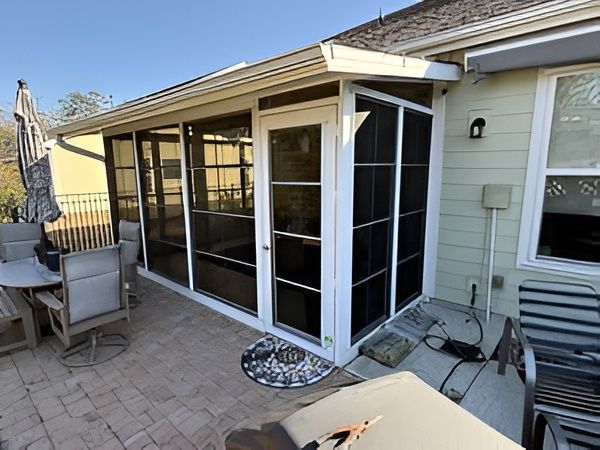
Pool Enclosure Installation in Myrtle Beach, SC: What Homeowners Need to Know Before They Build
Pool enclosures in Myrtle Beach require engineering that most inland markets simply don't demand — because coastal South Carolina sits in a high-wind zone where structures must be rated to withstand 130–150 mph wind loads. That single requirement shapes nearly every material and structural decision you'll make, from the aluminum gauge in your frame to the epoxy anchors drilled into your pool deck. If you already know enclosures cut down on cleaning time and chemicals, this guide picks up where that conversation ends: what actually happens before and during the build.
Why Myrtle Beach Is Not a Standard Install Market
Salt air, hurricane exposure, and sandy soils create a combination of site challenges that generic pool enclosure contractors aren't equipped to handle correctly.
Salt-laden air from the Atlantic accelerates corrosion on standard aluminum framing and bare metal hardware. Quality enclosures here use extruded, anodized or mill-finished aluminum — not painted steel — along with stainless steel or coated fasteners. Screen mesh should be fiberglass or vinyl-coated polyester; bare aluminum screen degrades quickly in this environment.
The Grand Strand also sits in a named-storm path. Hurricane season runs June through November, with peak activity in August and September. A permitted, engineer-stamped enclosure carries a documented wind load rating that matters not just structurally, but for homeowner's insurance. Some coastal SC insurers require proof of wind load compliance before they'll cover the structure at all.
Soil conditions add another layer. Many Myrtle Beach neighborhoods sit on sandy, low-bearing-capacity soils. That affects how deep footers must go and whether standard surface anchors are sufficient — or whether concrete piers are needed instead. A contractor who doesn't raise these questions at the site visit isn't giving you an accurate bid.
What Does a Proper Site Assessment Cover?
A thorough site visit does far more than measure the pool perimeter — it identifies every factor that will affect framing complexity, material choices, permit requirements, and final cost.
A good contractor will evaluate the pool shape (freeform, rectangular, and L-shaped layouts each affect framing), the condition and thickness of your existing concrete deck, and the clearance around the pool edge for frame columns. They'll also check drainage patterns — low spots near footers can cause anchor heave over time — and overhead obstructions like roof lines, gutters, or electrical service lines.
Sun orientation matters for screen selection. West- and south-facing exposures benefit from solar screen mesh to reduce heat gain. Corner lots, beachfront properties, and open lots also carry higher effective wind loads than sheltered interior lots, which can push the engineer's specification in a different direction. If your deck has cracked or settled sections, those need repair before anchoring — otherwise the anchor bolts may shift under wind load. Check out our pool enclosure services for a full overview of what the assessment and build process includes.
Do I Need a Permit for a Pool Enclosure in Myrtle Beach?
Yes — a building permit is required for pool enclosures in both the City of Myrtle Beach and unincorporated Horry County, and skipping it creates real problems at resale and with your insurer.
Pool enclosures are classified as accessory structures. Permit applications typically require submitted drawings (often engineer-stamped for coastal wind load compliance), a site plan showing setbacks, and inspections at multiple stages including footer/anchor, frame, and final sign-off. Horry County permit timelines currently range from two to six weeks depending on review backlog — and that window sits in the middle of your overall project schedule.
A reputable contractor pulls the permit and includes it in the quote. If an installer suggests you pull your own permit, or implies the job can proceed without one, treat that as a serious warning sign. Unpermitted enclosures can void homeowner's insurance coverage, trigger HOA violations, and create title complications when you sell.
HOA approval is a separate process that runs on its own timeline. Many planned communities, golf subdivisions, and beach-access neighborhoods in the Myrtle Beach area have architectural review requirements covering framing color, height limits, setbacks beyond county minimums, and even screen opacity. HOA review can add two to eight weeks depending on when the committee meets. Pull your CC&Rs and submit to the HOA before signing a contract — not after — so you're not redesigning once materials are ordered.
Understanding the Full Installation Timeline
From signed contract to final inspection, a realistic pool enclosure project in Myrtle Beach takes six to sixteen weeks — not a weekend, and not two weeks unless the contractor is skipping permit and HOA steps.
Here's how the phases stack up: site assessment to signed contract typically takes one to two weeks. HOA approval, if required, adds two to eight weeks. Permit issuance adds another two to six weeks. Enclosure framing is custom-fabricated to your site measurements — not pulled from a shelf — so material lead times run two to four weeks after permit approval (sometimes concurrent with permitting where the jurisdiction allows). Physical installation of a standard residential enclosure then takes three to seven days depending on crew size and weather. Final inspection follows one to five days after installation wraps.
That honest range matters for scheduling. If you're hoping to have the enclosure complete before peak hurricane season, work backward from your target date. A contractor who quotes a two-week turnaround without addressing permits and HOA is either omitting steps or setting you up for disappointment.
For a look at how related structures like screen rooms are planned and built on similar timelines, our screen room installation page covers comparable process details.
Choosing Materials That Hold Up to Coastal SC Conditions
The material decisions you make at the quote stage directly determine how well your enclosure holds up to salt air, storm stress, and daily UV exposure over the next decade or more.
For framing, extruded aluminum with an anodized or mill finish is the standard for this market. Avoid painted steel or thin-wall extrusions that weren't engineered for high-wind coastal use. Fasteners and hardware — screws, anchor bolts, hinges, latches — should be stainless steel or coated equivalents, not standard zinc-plated hardware that corrodes within a few seasons. Anchors should be epoxy-set into concrete rather than surface-mounted clips, which can't carry the wind load ratings required here.
Screen mesh choices include 18x14 standard (good airflow, basic insect control), 20x20 no-see-um mesh (worth considering near coastal marshes and inlets where small insects are more prevalent), solar screen for sun-facing sides, and pet-resistant reinforced mesh for households with dogs. Ask any contractor specifically what corrosion protection their framing system carries and what their screen mesh is made of — vague answers here indicate a product that won't last in this environment.
10 Questions to Ask Before You Sign
These questions separate contractors who know the Myrtle Beach market from those who don't:
- Are you licensed and insured in South Carolina?
- Will you pull the permit, and is that cost included in the quote?
- Are your designs engineer-stamped for Horry County wind load requirements?
- What aluminum grade and framing system do you use, and what corrosion protection does it carry?
- What wind load rating (in MPH) will this structure be built to?
- What is the realistic full project timeline, including permit and HOA review?
- Do you have references from completed projects in the Myrtle Beach area I can contact?
- What does your warranty cover — frame, screen, and labor separately?
- How do you handle the job if a named storm is forecast during installation?
- If my existing deck needs repair before you can anchor, how is that handled in the contract?
A contractor who can answer every one of these questions clearly — without deflecting or getting vague on wind load specs — has done this work locally and understands what coastal SC actually requires. A contractor who pushes back on the permit question or can't cite a wind load rating is a risk in a market where tropical systems are a seasonal reality, not a hypothetical.
Understanding every phase of this process — from site conditions to final inspection — turns a complex project into a predictable one, and gives you the specifics needed to compare bids fairly rather than defaulting to the lowest number.
Explore your options and start your project on the right foot by scheduling a site assessment with Back porch designs and repairs through our pool enclosure services page.