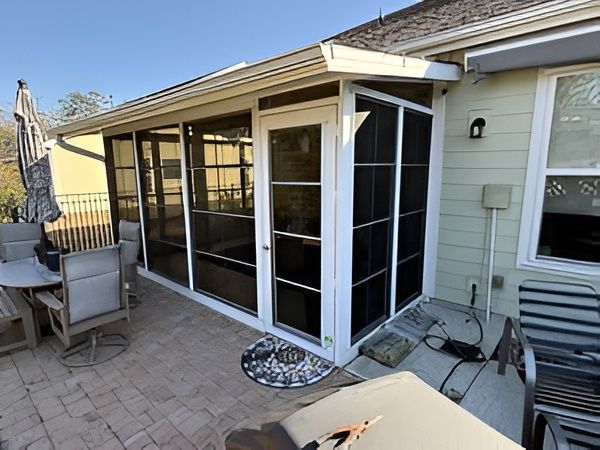
Key Questions Before Installing a Screen Room in Murrells Inlet, SC
Before installing a screen room in Murrells Inlet, SC, ask contractors about rust-resistant materials, permit requirements, foundation options, roof types, and how coastal humidity and salt air influence design and maintenance.
What Materials Best Resist Coastal Corrosion?
Rust-resistant aluminum framing, marine-grade stainless steel fasteners, and heavy-duty coated mesh provide the best corrosion resistance in Murrells Inlet's salt air environment.
Aluminum resists rust naturally but should be powder-coated for added protection. Avoid galvanized steel frames that corrode quickly near the ocean.
Stainless steel screws, bolts, and hinges cost more but eliminate rust staining and structural failures caused by corroded fasteners. Standard hardware rusts within months in coastal conditions.
Screening mesh should include UV and salt-resistant coatings. Heavy-duty fiberglass or polyester mesh outlasts standard options by years in harsh coastal weather.
Which Roof Type Suits Your Screen Room Best?
Solid roofs with shingles or metal panels offer better weather protection, while screened roofs maintain airflow but expose the interior to rain and debris.
Solid roofs extend your screen room's usable season by blocking rain and reducing sun heat. They protect furniture and flooring from weather damage and allow installation of ceiling fans and lighting.
Screened roofs cost less and maximize natural ventilation but limit use during rainy periods. They work well if your screen room serves as a transitional outdoor space rather than an everyday living area.
Hybrid designs combine solid roof sections over seating areas with screened panels elsewhere, balancing protection and airflow based on your layout.
How Do Permits Affect Your Screen Room Timeline?
Permits add two to four weeks to your project timeline but ensure code compliance, structural safety, and proper inspections throughout construction.
Murrells Inlet building codes require permits for screen room additions to verify wind ratings, electrical work, and setback distances from property lines. Unpermitted structures create legal and insurance risks.
Contractors submit plans, pay fees, and schedule inspections at key milestones. Permit costs typically range from $150 to $350 depending on project size.
Starting construction without permits can result in fines, forced removal, or complications when selling your home. Planning for permit processing keeps your project on schedule legally.
Do You Need a New Foundation or Can You Use Your Existing Porch?
Using an existing concrete porch reduces costs by 20% to 30%, but the foundation must be level, crack-free, and properly drained before screening begins.
Existing porches require inspection for settling, cracking, or drainage issues. Concrete should be at least four inches thick and slope away from your home for proper water runoff.
If your porch lacks a solid foundation or shows structural problems, building a new slab ensures long-term stability. New foundations also allow custom sizing and layout optimization.
Converting an existing porch eliminates excavation and concrete work, shortening installation time and reducing labor costs when the foundation meets structural standards.
When Is the Best Season for Screen Room Installation?
Fall and spring offer the best weather for screen room installation in Murrells Inlet, with mild temperatures and lower humidity reducing delays and improving work conditions.
Summer heat slows crew productivity, and afternoon thunderstorms interrupt schedules. High humidity can delay concrete curing or paint drying if repairs are needed.
Winter is also viable since freezing temperatures are rare. Crews can work comfortably without extreme heat, and fewer rain delays keep projects on track.
Scheduling during off-peak seasons may also provide faster start times and more contractor availability compared to busy summer months.
How Does Murrells Inlet's Tidal Flooding Risk Affect Screen Room Design?
Properties near tidal creeks or marshes require elevated foundations and enhanced drainage to prevent flooding damage to screen rooms during king tides or storm surges.
Screen rooms should be built above FEMA flood elevation requirements if your property falls within a flood zone. Elevated slabs with proper grading protect against water intrusion.
Installing French drains or sump systems around the foundation prevents pooling during heavy rains or tidal flooding. Quality gutters and downspouts direct roof runoff away from the structure.
Coastal insurance policies may require specific elevation and flood-resistant construction methods. Verifying requirements before installation avoids coverage gaps and claim denials.
Back Porch Designs and Repairs answers all your screen room questions during a detailed consultation in Murrells Inlet. Pergola installation services in Murrells Inlet, SC complement screen rooms by adding shaded outdoor areas.
Start by discussing your goals, budget, and site conditions with experienced contractors who understand coastal challenges. Request material samples, permit timelines, and warranty details to make an informed decision that protects your investment in Murrells Inlet, SC for decades.